
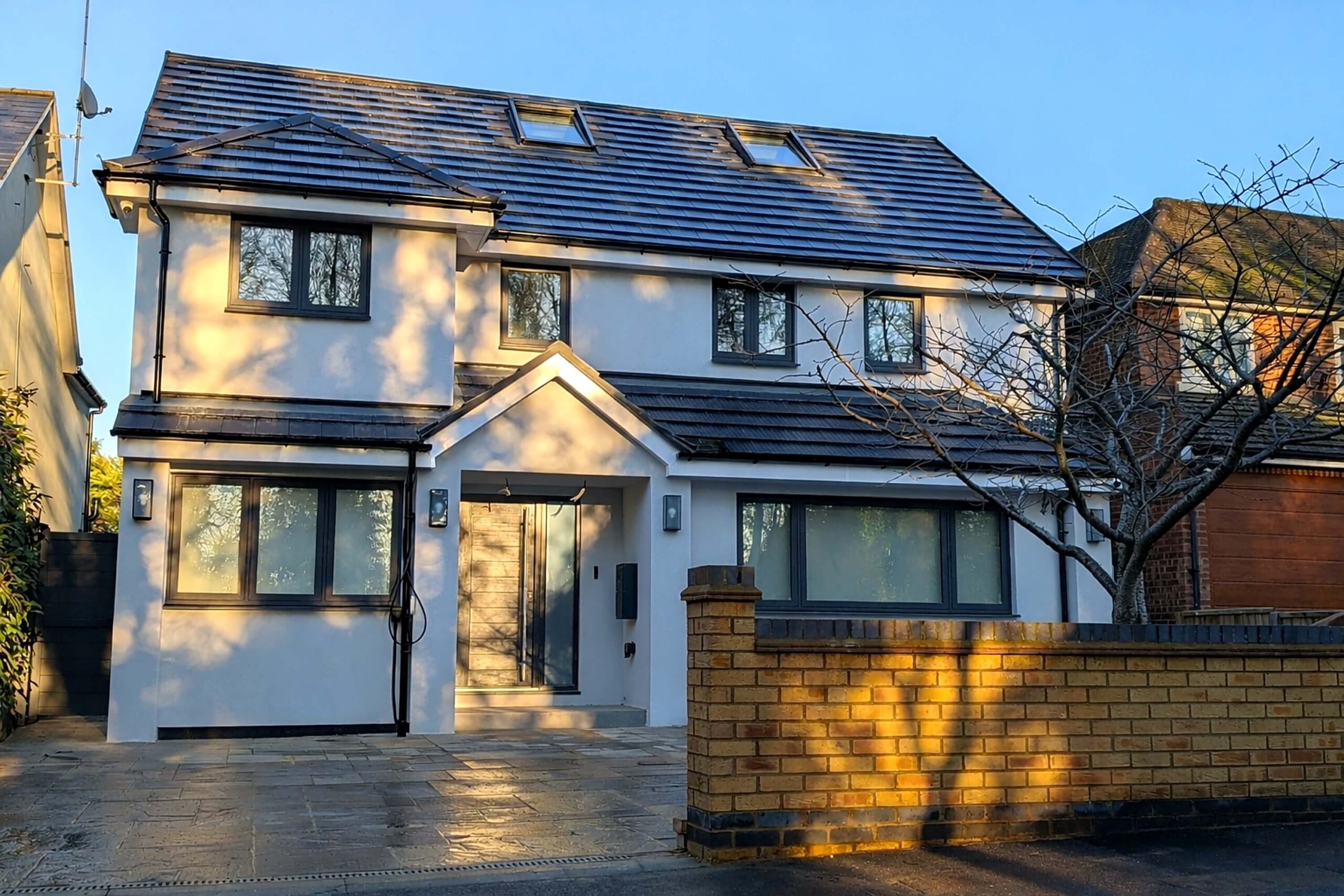
Building a home or renovating in St Albans is an exciting journey, though managing costs can be challenging. In my many years in the building trade, I have learned that understanding the pricing factors builds confidence and helps reduce unexpected expenses. This article breaks down issues from project scope and material choices to labour, site conditions, and regulations so that you can make informed decisions and manage your budget from start to finish. I’ll also share real-world examples from projects we’ve completed since 1999 at AMBS. Whether planning an extension, loft conversion, or new build, this guide gives you a comprehensive overview of construction pricing in St Albans in a casual, fun, and informative tone. Let’s dive in.
Understanding Project Scope and Its Impact on St Albans Construction Costs
Defining your project scope is the first essential step to forecast construction costs in St Albans. The project’s size, complexity, and unique design requirements largely determine the overall expense.
Defining the Size and Complexity of Your St Albans Building Project
The cost is influenced by the project’s scale—a single-story extension costs less than a double-storey addition with bespoke finishes. Factors such as square meterage, number of rooms, and technical requirements drive pricing. Projects requiring specialized engineering or intricate designs command a premium due to the need for skilled professionals and precise methods. In St Albans, clearly understanding whether your build is simple or complex helps plan effectively and allows room for necessary contingencies.
How Design Specifications Alter Construction Pricing in St Albans
Design preferences, including custom facades, sustainable features, or unique lighting and roofing, can add thousands to costs. Detailed blueprints and proper planning reduce on-site delays and misinterpretations, balancing aesthetics with cost efficiency in accordance with local feasibility.
The Influence of Project Timelines on Overall Costs in St Albans
Project duration is critical. Delays—often due to design changes or regulatory hold-ups—increase labour inefficiencies and material price fluctuations, thus raising costs. Scheduling work within a realistic timeframe and having contingency plans are key strategies to keep expenses in check and maintain quality.
Assessing Quality Standards and Their Bearing on St Albans Construction Pricing
Using premium materials and adhering to strict standards can elevate upfront costs but reduce long-term maintenance and risks. In St Albans, quality construction ensures compliance with building regulations and adds to safety and sustainability. Cutting corners may save money initially but often leads to expensive repairs later, affecting insurance and resale value.
Unexpected Scope Changes That Affect Building Project Costs in St Albans
Even the best plans may encounter unforeseen issues such as hidden damage, regulation changes, or unexpected site conditions. These can quickly increase costs if extra work like foundational repairs is needed. It is essential to include a contingency allowance in your budget for such surprises and to maintain flexibility when negotiating with your contractor.
How Material Choices and Supply Chains Influence Building Prices in St Albans
Material selection is central to your budget. In St Albans, factors like concrete quality, eco-friendly options, and whether materials are locally sourced or imported significantly affect costs.
Current Material Price Trends Affecting St Albans Construction
Global market conditions and local supply issues cause fluctuations in prices. For instance, concrete, roofing tiles, and premium finishes have seen a 10–15% increase compared to pre-pandemic rates. These price trends affect both initial costs and future maintenance, so staying aware helps in negotiating with suppliers and timing your purchases effectively.
The Cost Implications of Sustainable Building Materials in St Albans Projects
Sustainable or eco-friendly materials such as reclaimed timber, recycled insulation, and green roofs often carry a higher upfront cost but yield long-term savings through energy efficiency and reduced waste. Although they must meet higher regulatory standards, many homeowners in St Albans find that the environmental and potential financial benefits justify the expense.
Sourcing Materials Locally Versus Importing for St Albans Builds
Locally sourced materials typically offer benefits in terms of quicker delivery, lower shipping costs, and compliance with local codes; however, imported materials might provide a unique aesthetic or higher quality at a premium price due to tariffs and long lead times. Evaluating these risks and benefits will help you manage the overall project cost more effectively.
Supply Chain Disruptions and Their Effect on St Albans Construction Pricing
Frequent supply chain disruptions can delay projects and add extra labour or overhead costs. For example, delays in key materials like structural steel or high-quality insulation can extend your project by weeks. Maintaining open communication with suppliers and building a schedule buffer are crucial to mitigate these risks.
Understanding the Longevity and Maintenance Costs of Different Materials
It is important to look beyond the initial purchase price and factor in long-term durability and maintenance. Higher quality or weather-resistant materials may cost more initially but reduce future repair costs, which is particularly important given St Albans’ unpredictable weather. Choosing low-maintenance options can mean significant savings over a building’s lifespan.
Table: Comparison of Material Options and Their Impact on Construction Costs
|
Material Type |
Approximate Cost Increase |
Longevity (Years) |
Maintenance Frequency |
Additional Benefit |
|---|---|---|---|---|
|
Standard Concrete |
Baseline |
50+ |
Low |
High durability |
|
Sustainable Timber |
+15-20% |
30-40 |
Moderate |
Eco-friendly and natural aesthetic |
|
Imported Roofing Tiles |
+10-15% |
40-50 |
Low |
Superior weather resistance |
|
Reclaimed Stone |
+20-25% |
100+ |
Very low |
Timeless appearance, low upkeep |
|
Modern Insulation |
+10% |
25-30 |
Moderate |
Energy efficiency |
This table highlights that while premium materials cost more upfront, their durability and lower maintenance may lead to better cost-effectiveness over time.
Labour Costs and Availability Shaping Construction Budgets in St Albans
Labour costs are unpredictable and vary with the availability and skill of builders, tradespeople, and specialist contractors in St Albans.
The Role of Skilled Labour in Determining St Albans Construction Pricing
Skilled labour is essential not just for quality but also for ensuring compliance with local building regulations. At AMBS, sourcing experienced tradespeople for tasks like loft conversions or quality extensions is crucial; though their rates can account for up to 40% of total costs, it results in fewer repairs and delays later on.
How Local Labour Market Conditions Affect Project Expenses in St Albans
Labour rates fluctuate with market demand. During high-demand periods in property enhancements, labour costs can increase by 10–20%. Early contract negotiations and understanding local market dynamics are key to keeping these costs under control.
Understanding Contractor and Subcontractor Rates in the St Albans Area
Rates vary between main contractors and subcontractors, depending on project size, timeline, and required expertise. For projects with challenging site conditions, specialists in foundation work often charge higher rates. Transparency through multiple quotes helps ensure fair and predictable costs.
The Impact of Project Duration on Total Labour Costs for St Albans Builds
Longer projects drive up cumulative labour costs due to overtime and market fluctuations. Efficient scheduling and advanced project management can reduce build time, keeping labour expenses lower and minimizing disruptions.
Specialist Skills and Their Premium on St Albans Construction Projects
Projects requiring specialized skills—for modern eco-friendly installations or advanced electrical systems—can incur additional costs. Although these specialists are more expensive, their expertise ensures that innovative ideas are executed correctly and contribute to a long-term quality build.
List: Key Factors Influencing Labour Costs
- Skilled Expertise – Higher hourly rates for highly trained professionals.
- Local Demand – Increased competition in busy times can drive wages up.
- Specialist Roles – Unique skill requirements typically cost more.
- Project Duration – Longer projects accumulate more labour costs.
- Complexity and Risk – Intricate builds require extra oversight and drive costs higher.
The Significance of Site Conditions and Preparatory Work for St Albans Project Pricing
Site conditions are a critical factor in determining the overall cost. Each site in St Albans faces unique challenges such as accessibility issues, unstable ground, or existing infrastructure that impacts pricing.
Evaluating Site Accessibility and Its Influence on St Albans Construction Costs
Easily accessible sites lower logistical costs, whereas narrow or hard-to-reach locations may incur a 5–10% cost increase due to extra planning and delivery challenges. Ensuring ease of access can help prevent delays and unexpected expenses.
Ground Conditions and Necessary Foundation Work Affecting Pricing in St Albans
Thorough assessment of soil stability and flood risk helps determine the level of foundation work needed. Rocky or damp conditions may require deeper, reinforced foundations, which increase overall costs. Investing in proper groundwork is crucial for lasting stability and safety.
Demolition and Site Clearance Expenses for St Albans Projects
Before new construction begins, existing structures may need to be demolished and sites cleared, which can significantly add to the budget. Accurate assessments and careful management of these tasks are important to prevent unexpected expenses.
Connection to Utilities and Associated Costs in St Albans
Connecting essential utilities like water, sewage, gas, and electricity can be complex due to strict local regulations. Upgrading or installing new connections may add notable costs, so budgeting for both fees and potential upgrades is essential.
How Site Constraints Can Alter Building Project Prices in St Albans
Constraints such as limited space, environmental factors, or zoning restrictions require modifications to initial plans, often increasing costs. Early site surveys and planning discussions help manage these challenges effectively.
Table: Site Condition Factors and Their Impact on Project Costs
|
Site Condition |
Typical Cost Impact |
Key Consideration |
Example Scenario |
|---|---|---|---|
|
Accessibility |
+5-10% |
Logistic efficiency |
Narrow access lanes needing extra delivery planning |
|
Ground Stability |
+10-15% |
Foundation reinforcement |
Poor soil quality necessitating deeper foundations |
|
Demolition & Clearance |
+5-8% |
Safety and environmental cleanup |
Removing an old structure with hazardous materials |
|
Utility Connection |
+3-7% |
Regulatory compliance |
Upgrading lines to meet modern requirements |
|
Zoning & Environmental Restrictions |
+7-12% |
Planning modifications |
Conservation area restrictions require specialized work |
This table summarizes key site-related cost factors, helping homeowners plan and manage financial aspects early in the project.
Navigating St Albans’ Regulatory Landscape and Its Effect on Construction Expenses
Regulatory requirements add extra layers of cost through building codes, planning permissions, and health and safety rules. Adhering to these regulations from the start prevents fines and expensive modifications later.
Understanding St Albans Planning Permission Fees and Requirements
Planning permissions require fees and time to review proposals against local land use and environmental regulations. Being proactive and understanding these requirements helps in budgeting and avoiding delays.
Building Regulations Compliance and Associated Costs in St Albans
Compliance with UK Building Regulations is mandatory. Although stringent standards may increase upfront costs, they ensure long-term durability and safety, preventing expensive remedial work later.
The Price of Health and Safety Requirements on St Albans Construction Sites
Implementing health and safety measures—like providing protective equipment and conducting regular site audits—increases costs but is crucial to protect workers and maintain a smooth progress in construction.
How Local Authority Levies Can Influence Project Budgets in St Albans
Local agencies may impose levies for waste disposal or environmental assessments that can add several thousand pounds. Incorporating these fees early into your budget prevents surprises.
Insurance and Warranty Considerations for St Albans Construction Pricing
Robust insurance and builder warranties protect against defects and other liabilities. Although they add to the project’s initial cost, they ensure long-term security for your investment.
Market Dynamics and Contractor Selection Determining Final Project Costs in St Albans
Final costs are greatly influenced by current market dynamics and selecting the right contractor. Local property trends, contractor reputation, and contract type all play important roles.
How Current St Albans Property Market Trends Affect Construction Pricing
Rising property values in St Albans often drive up both labour and material costs. Homeowners must adjust their budgets in line with these market trends, which can also influence material choices and finishes.
The Importance of Obtaining Multiple Quotes From St Albans Builders
Obtaining several quotes increases transparency and helps in identifying cost-saving opportunities. Comparing bids ensures you receive fair pricing without compromising quality.
Assessing Contractor Experience and Reputation in Relation to Price
A contractor’s track record of delivering projects on time and within budget is invaluable. Spending a bit more on a reputable contractor can reduce risks and avoid costly delays or mistakes.
Understanding Different Contract Types and Their Financial Implications in St Albans
Fixed-price, cost-plus, and design-and-build contracts each have different risk and cost implications. It is crucial to understand how changes in scope and contingency funds are handled in your chosen contract.
Factoring in Contingency Allowances for St Albans Construction Projects
Setting aside 10–15% of your budget for unforeseen issues—such as hidden site problems or design changes—provides financial security and builds trust between you and the contractor.
List: Key Considerations When Selecting a Contractor
- Multiple Quotes – Ensure competitive pricing.
- Experience – A proven track record can save time and money.
- Contract Transparency – Clear terms reduce unexpected expenses.
- Reputation – Past projects indicate reliability.
- Contingency Provisions – Plans for unexpected costs offer financial safety.
Final Thoughts
Managing construction costs in St Albans requires a thorough understanding of project scope, material choices, labour dynamics, site conditions, and local regulations. With careful planning, competitive quotes, and a sound contingency strategy, every pound spent contributes to a successful, lasting project.
Frequently Asked Questions
The scope defines the size, complexity, and design requirements of your build. Larger or more bespoke designs demand more materials and skilled labour, resulting in higher costs.
Sustainable materials may have higher upfront costs but can lead to long-term savings through energy efficiency and reduced maintenance.
Skilled labour ensures quality and efficiency; however, fluctuations in supply and demand can significantly impact total project expenditure.
Evaluating site accessibility, ground stability, utility connections, and demolition requirements is essential to develop a realistic budget and plan for unexpected expenses.
Multiple quotes provide a clearer picture of market pricing, enabling you to negotiate better terms and avoid overspending.
Compliance fees and additional work required by building regulations ensure safety and durability but add to overall expenses.
Yes, a contingency allowance of around 10–15% safeguards your budget against unforeseen expenses, maintaining financial security throughout the project.